
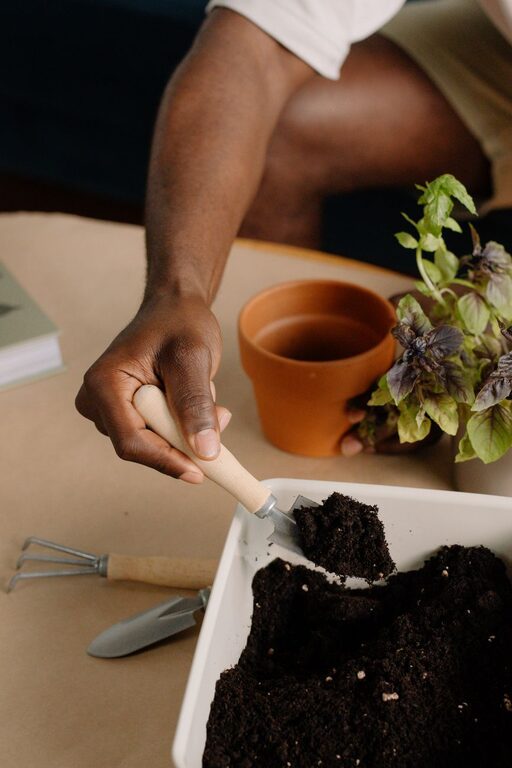
Starting a small herb garden indoors is a rewarding way to bring fresh flavors into your kitchen and add a touch of greenery to your living space. Whether you have a sunny windowsill or just a spot under a grow light, growing herbs indoors is easier than you might think. This guide will walk you through everything you need to know to begin your own herb garden at home.
Why Grow Herbs Indoors?
Growing herbs indoors has many benefits:
– Convenience: Fresh herbs are always within reach when cooking.
– Year-round supply: No need to rely on seasonal outdoor gardens.
– Space-saving: Perfect for apartments or homes without outdoor space.
– Improved air quality: Plants help purify indoor air and brighten your environment.
– Cost-effective: Growing your own herbs saves money compared to buying fresh herbs frequently.
Choosing the Right Herbs for Indoor Gardening
Not all herbs thrive indoors, so start with varieties known to grow well inside:
– Basil: Loves warmth and bright light.
– Mint: Easy to grow but can spread quickly.
– Parsley: Prefers indirect sunlight and moist soil.
– Chives: Grow best in bright, indirect light.
– Thyme: Requires well-drained soil and moderate sunlight.
– Oregano: Needs plenty of light and well-drained soil.
– Cilantro: Does well with cooler temps and bright light.
Pick herbs you frequently use in cooking to make the most of your garden.
What You’ll Need to Get Started
Gather these basic supplies before planting:
– Containers: Pots or planters with drainage holes. Sizes of 4-6 inches diameter work well for most herbs.
– Potting mix: Use a well-draining potting soil formulated for indoor plants.
– Seeds or starter plants: You can start from seeds or buy small herb plants from a nursery.
– Light source: A south-facing window with several hours of sunlight or a grow light.
– Watering can: For gentle watering.
– Fertilizer: A balanced, water-soluble fertilizer suitable for herbs.
Step-by-Step Guide to Starting Your Indoor Herb Garden
1. Select Your Containers and Soil
Choose pots that provide good drainage to avoid waterlogged roots. Fill them with fresh, high-quality potting mix. Avoid garden soil, which can be too dense and bring pests indoors.
2. Plant Seeds or Transplants
– Starting from seeds: Sow seeds according to package instructions, usually about twice as deep as the seed size. Cover lightly with soil, and keep the soil moist but not soggy.
– Starting from plants: Gently remove the plant from its nursery pot, loosen the root ball slightly, and place it in your container. Fill around with soil and press gently to secure.
3. Provide Adequate Light
Most herbs need 6-8 hours of light daily. Place your pots near a sunny window or use an LED grow light for about 12-16 hours a day if natural light is limited. Rotate plants occasionally for even growth.
4. Water Properly
Water when the top inch of soil feels dry. Water thoroughly until it drains out the bottom. Avoid overwatering, as soggy soil can cause root rot. Use a spray bottle to mist herbs like thyme that prefer less moisture.
5. Feed Your Herbs
Feed your herbs with a diluted, balanced fertilizer every 3-4 weeks during the growing season. Follow the instructions on the fertilizer package carefully to avoid overfeeding.
6. Prune and Harvest Regularly
Regular trimming encourages bushier growth and prevents herbs from becoming leggy. Harvest leaves as needed for cooking, but never remove more than one-third of the plant at a time to keep it healthy.
Tips for Success
– Keep humidity balanced: Indoor air can be dry, especially in winter. Use a humidity tray or mist your plants occasionally.
– Watch for pests: Common pests include aphids and spider mites. Inspect plants regularly and treat pests early with insecticidal soap if needed.
– Re-pot when necessary: If roots start to crowd the pot, transplant herbs into a slightly larger container.
– Rotate plants: Turning pots ensures all sides get light and promotes even growth.
– Label your herbs: Use small markers to keep track of different varieties, especially if you start from seeds.
Common Challenges and How to Solve Them
– Yellowing leaves: Could mean overwatering or poor drainage.
– Leggy growth: Often due to insufficient light.
– Slow growth: May require more fertilizer or a warmer location.
– Wilting: Check soil moisture and adjust watering habits.
Conclusion
Starting a small herb garden indoors is a simple and fulfilling project. With the right containers, herbs, light, and care, you can enjoy fresh, flavorful herbs all year long. Not only will your cooking benefit, but your home will feel more vibrant and lively. Happy gardening!