
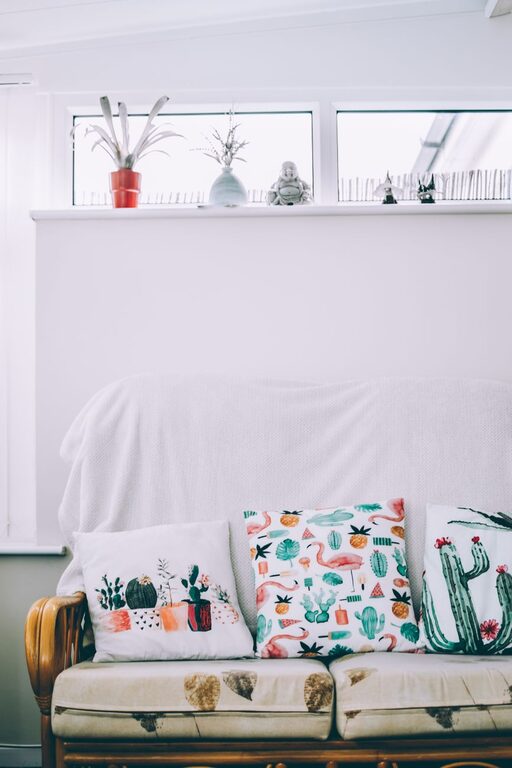
A dark room can often feel cramped, gloomy, or uninviting. Whether it’s due to limited natural light, small windows, or a lack of reflective surfaces, having a dim space can affect your mood and the overall ambiance of your home. Fortunately, there are several simple and affordable strategies to brighten a dark room quickly and create a cheerful, welcoming environment.
In this post, we’ll explore easy ideas covering lighting, color choices, furniture arrangements, and decor tricks to instantly brighten your space.
1. Maximize Natural Light
Keep windows clear
Start by removing any heavy drapes, blinds, or curtains that block sunlight. Opt for sheer or light-colored curtains that allow natural light to flow inside without sacrificing privacy.
Use mirrors to reflect light
Strategically placing mirrors opposite or adjacent to windows can double the sunlight entering the room. Mirrors bounce light around and create the illusion of more space and brightness. Large wall mirrors or a collection of smaller framed mirrors work well for this.
Clean windows regularly
Dirty windows can reduce the amount of daylight entering your room. A quick clean inside and out will make a noticeable difference.
2. Choose Light and Bright Colors
Paint walls with light tones
Light shades such as white, soft pastels, beige, or light gray reflect more light than dark colors. Choosing a bright or neutral color palette for your walls can make the room feel more open and airy.
Use bright accent colors
Add pops of cheerful colors like sunny yellow, aqua, or coral through pillows, rugs, or artwork. These accents add personality without darkening the space.
Select light-colored flooring and furniture
If you’re able to change flooring or invest in furniture, select lighter wood tones or upholstery fabrics. Dark floors and furniture absorb light, making the room feel darker.
3. Improve Artificial Lighting
Layer your lighting
Don’t rely on a single overhead light. Combine ambient (general), task, and accent lighting to create a well-lit room. Use ceiling lights, floor lamps, table lamps, and under-cabinet lights for balanced illumination.
Use daylight bulbs
Choose LED bulbs labeled as “daylight” or “bright white” with a color temperature around 5000K. They mimic natural light better than warm yellow bulbs, helping to brighten the space.
Add dimmers and smart controls
Using dimmer switches or smart bulbs allows you to customize the light level throughout the day, enhancing comfort and brightness when needed.
4. Opt for Reflective and Translucent Surfaces
Incorporate glass and acrylic
Furniture or decor made of glass or clear acrylic helps light pass through and reflects surrounding light. Consider glass coffee tables, acrylic chairs, or vases.
Use metallic finishes
Silver, gold, or brass accents on lamps, picture frames, or drawer pulls reflect light and add a subtle shimmer to the room.
Choose glossy materials
Glossy paint finishes or lacquered furniture surfaces bounce light better than matte finishes.
5. Declutter and Rearrange
Keep the space open
Clutter contributes to a sense of darkness and crowding. Clear surfaces and organize items to create a visually lighter environment.
Position furniture wisely
Avoid blocking windows or pathways with bulky furniture. Opt for lower-profile pieces near windows to allow more light to flow.
Use open shelving
Instead of closed, bulky cabinets, open shelves display your favorite items without darkening the room.
6. Add Greenery and Natural Elements
Incorporate plants
Plants add life and vitality to any space. Choose bright green plants that thrive indoors and place them near windows or well-lit corners.
Use natural textures
Light wood, woven baskets, or natural fiber rugs introduce warmth while maintaining an airy feeling.
7. Use Artwork and Decor Thoughtfully
Bright, large artwork
Select paintings or prints with bright colors and light backgrounds. Large pieces can open up the room visually.
Light-colored textiles
Curtains, throw pillows, and rugs in light fabrics create softness without darkening the room.
Avoid heavy patterns
Busy or heavy patterns can overwhelm a small dark space. Instead, opt for simple, understated prints.
Conclusion
Brightening a dark room doesn’t require a full renovation or expensive upgrades. By maximizing natural light, choosing lighter colors, adding layers of lighting, and carefully selecting reflective surfaces and decor, you can quickly transform a dim room into a bright and inviting space. Experiment with these ideas to see what works best for your room and personal style, and enjoy the cheerier atmosphere every day.